The backyard is the best first campsite there is: real dark, real night sounds, and the house twenty steps away. Pitch the shelter before dark, eat at camp, and sleep out, knowing anyone can go inside at any time.
Dad Field Manual editors · Drafted with AI help · Published Oct 15, 2026
A tent, or a tarp about 7 to 9 feet square with rope and stakesHave / $40
Sleeping bags or blankets, a pad or folded blanket under each, and pillowsHave
A flashlight or headlamp for each camperHave / $5
A camp dinner and breakfast you can eat on a blanketHave
Where: A flat patch of your own yard, or a friend's, with no dead branches overhead and a clear path to the back door.
Backyard camp: read this first
Nothing that burns in the tent. No candles, heaters, fuel lanterns or stoves. Battery lights only. Keep any grill well away from the tent.
Check the forecast. If you hear thunder, everyone goes inside the house. A tent is not safe in a thunderstorm. Wait 30 minutes after the last rumble.
Leave the back door unlocked and a porch light on, so the path to the bathroom is clear.
Pick a spot with no dead branches overhead, away from the grill, pool and garden tools.
02Steps
Check the sky and pick the spot
TogetherIn the afternoon, check the National Weather Service forecast for tonight. Then walk the yard and pick flat ground, a little high so rain won't pool, with no dead branches above. Clear sticks and pinecones. Don't dig a trench.
Pitch the shelter before dark
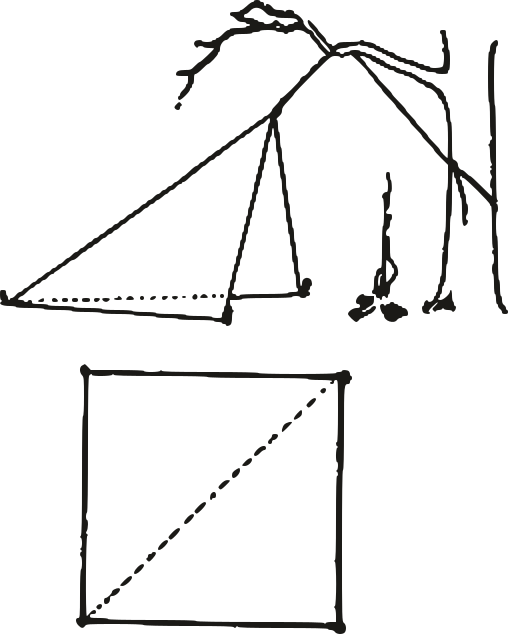
TogetherLay the ground tarp, folded so no edge sticks out past the tent. Set up the tent together: kids push in stakes and clip poles. No tent? Do it the 1911 way: tie one corner of a square tarp up to a tree or pole and stake the other corners down. A 7-foot square fits one camper, 9 feet fits two.
FIG: Tent from a square of canvas, from the 1911 scouting handbook, p. 165.
Rig a porch for camp dinner
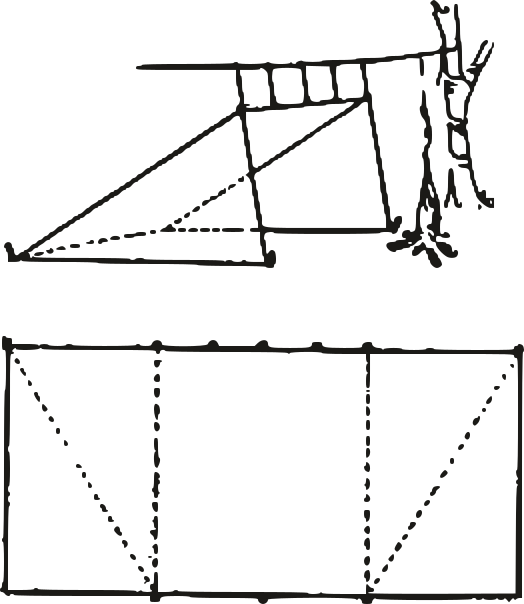
Dad showsKid copiesThe 1911 baker tent is a lean-to of cloth, open in front. Tie a rope between two trees or posts, hang the front edge of a tarp from it, and stake the back edge down. Lay the dinner blanket under it.
FIG: Baker, or lean-to, tent, from the 1911 scouting handbook, p. 166.
Eat at camp
TogetherEat dinner on the blanket at camp: sandwiches, or hot dogs from the grill well away from the tent. Ask, “What do you think we'll hear tonight?” Then everyone brushes teeth and uses the bathroom inside.
Flashlight games
TogetherOnce it's dark, shadow puppets on the tent wall, then flashlight tag on the fence or a tree trunk. Then lights off for two minutes: everyone lies still and counts the night sounds they hear.
Lights out, with a bail-out plan
DadIn the sleeping bags, say the plan out loud: “If you want to go inside, any time, tell me and we'll go in together. It still counts as camping.” Keep one flashlight by each head.
Breakfast and strike camp
TogetherEat breakfast on the blanket. Shake out the tent, let it dry in the sun, then pack it. Ask, “What should we do differently next time?”
03If it stalls
If it rains or storms, move camp indoors and finish with the living-room campout.
If a kid wants to go in at midnight, go in together, without a sigh. Next time they'll stay longer.
If they're too excited to sleep, read one more chapter by flashlight, then lights out for good.
If you want a fire, follow the small campfire plan where fires are allowed, and put it out before bed.
04Variations
Ages 4–6
Camp until bedtime, then decide together whether to sleep out or go in. Either way is a win. Skip the tarp porch and keep the tent.
Ages 7–9
The full plan. Let them be in charge of the flashlights and the night-sounds count.
Ages 10–12
Fold a paper model of the square and baker tents first, like the 1911 book suggests, then pitch the tarp shelter for real and sleep in it on a dry night.
RainMove inside and do the living-room campout. A tarp shelter on a dry night is enough adventure.
ThunderEveryone into the house right away. Wait 30 minutes after the last rumble before going back out.
CoolPut a pad or folded blanket under each sleeping bag; the cold comes up from the ground. Hats on at night.
A field card like this one for the weekend, one quick plan for a weeknight, and nothing else. Free. The first letter hasn't gone out yet. Sign up now and you'll get it. beehiiv, which sends the letter, will email you once to confirm your address.
One weekend plan every Friday. We never sell your address, and every letter has a one-click unsubscribe. See a sample issue · Privacy
1911 scouting handbook, pp. 164–166. The 1911 book's tent pages show shelters made from one piece of canvas without cutting it: a square hung by one corner from any support makes a one-person shelter (7 by 7 feet for one, 9 by 9 for two), and a rectangle hung from a rope or pole by its front edge, with the back pegged down, makes a baker or lean-to tent with an open front. It suggests making paper models first. Project Gutenberg (public domain in the USA) Checked Oct 15, 2026
A tent is not safe in lightning. The National Weather Service says a tent and an open picnic shelter are not safe places when you hear thunder, to get to a vehicle or building, and to wait 30 minutes after the last rumble of thunder before going back to the campsite. National Weather Service Checked Oct 15, 2026
No fuel-burning heaters or lanterns in tents. CPSC says never to use fuel-burning portable heaters or lanterns while sleeping in enclosed areas such as tents, campers and vehicles, because of carbon monoxide poisoning. U.S. Consumer Product Safety Commission Checked Oct 15, 2026
Don't dig trenches. The National Park Service's Leave No Trace page says good campsites are found, not made, that altering a site is not necessary, and not to build structures or dig trenches. National Park Service Checked Oct 15, 2026
Dad Field Manual · Field card 120 · Classic Field Skills
A first campout in the backyard
The backyard is the best first campsite there is: real dark, real night sounds, and the house twenty steps away. Pitch the shelter before dark, eat at camp, and sleep out, knowing anyone can go inside at any time.
Time
Overnight
Cost
$0
Ages
4 to 12
Where
Backyard
Since 1911: The 1911 book hangs canvas squares from a pole or rope and pegs them down. A modern dome tent does the same job in ten minutes, and a tarp still works. Two things changed: don't dig a trench around the tent (the National Park Service now says good campsites are found, not made), and keep anything that burns fuel out of the tent, because CPSC warns that heaters and lanterns in tents can cause carbon monoxide poisoning. Check the National Weather Service forecast first: a tent is not a safe place in a thunderstorm.
What you need
A tent, or a tarp about 7 to 9 feet square with rope and stakes
Sleeping bags or blankets, a pad or folded blanket under each, and pillows
A flashlight or headlamp for each camper
A camp dinner and breakfast you can eat on a blanket
Backyard camp: read this first
Nothing that burns in the tent. No candles, heaters, fuel lanterns or stoves. Battery lights only. Keep any grill well away from the tent.
Check the forecast. If you hear thunder, everyone goes inside the house. A tent is not safe in a thunderstorm. Wait 30 minutes after the last rumble.
Leave the back door unlocked and a porch light on, so the path to the bathroom is clear.
Pick a spot with no dead branches overhead, away from the grill, pool and garden tools.
Steps
Check the sky and pick the spot. Check tonight's NWS forecast. Pick flat, slightly high ground with no dead branches overhead.
Pitch the shelter before dark. Pitch the tent before dark. No tent: hang one corner of a square tarp and stake the rest.
Rig a porch for camp dinner. Hang a tarp's front edge from a rope between two trees and stake the back down for a porch.
Eat at camp. Eat dinner at camp, then brush teeth and use the bathroom inside.
Flashlight games. Play shadow puppets on the tent wall and flashlight tag, then lie still and count night sounds.
Lights out, with a bail-out plan. Tell them they can go inside any time, together, and it still counts. A flashlight by each head.
Breakfast and strike camp. Eat breakfast at camp, dry the tent in the sun, then pack it up.
If it stalls
If it rains or storms, move camp indoors and finish with the living-room campout.
If a kid wants to go in at midnight, go in together, without a sigh. Next time they'll stay longer.