The Halloween candy sort: count it, graph it, set the rule
The candy pile is a math lesson and a negotiation. Sort it, count it, graph it, then agree on a daily rule together, so you're not the candy cop for weeks.
Dad Field Manual editors · Drafted with AI help · Published Oct 17, 2026
Where: A clear table under good light, with paper and a pencil.
Before you start
Check it first. FDA says eat only commercially wrapped treats, and throw out anything unwrapped, discolored, or with pinholes or tears in the wrapper.
Little siblings. AAP says babies and toddlers (kids under 4) should avoid hard candy, gum, gummies, popcorn, small candies, pumpkin seeds, caramel apples and whole nuts. Keep the pile out of reach.
Allergies. If your kid has a food allergy, read every label. FDA says kids with food allergies should avoid homemade baked goods. AAP's point is that even candy without your kid's allergen can be unsafe if it was made in a shared facility, so every label gets read. No label? Set it aside.
02Steps
Dump and check
DadDump the bag on the table. Before anyone sorts, you pull anything unwrapped, torn or that a younger sibling could choke on.
Sort by type
KidYour kid makes the categories: chocolate, chewy, sour, lollipops, "weird ones." Each goes into its own cup of the muffin tin or its own pile.
Count and guess
KidBefore counting, everyone guesses the total. Then count each pile, write the numbers down and add them up. Closest guess picks the first piece.
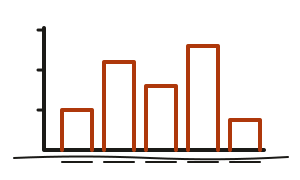
Draw the bar graph
TogetherOn paper, one bar per pile. Pick the size first: each square = 2 or 5 pieces for a big haul, 1 for a small one. Write it on the graph. Ask, "Which pile is biggest? How many more chocolate than sour?"
Agree on the rule
TogetherAAP suggests rationing over the days and weeks after, with consistent, realistic rules the whole family agrees on. Ask, "How many a day sounds fair? When: after lunch, after dinner?" Settle it, write it on the graph and post it on the fridge.
Pick the keepers
KidThey choose their favorites for the keep jar. The rest can be traded with siblings, given away, or saved for later. Tonight's pieces come from the jar, by the rule.
03If it stalls
If they push for more a day, offer a choice: "Two a day for longer, or four a day until it's gone."
If they melt down about the rule, point to the fridge together: "This is the rule we picked."
If there are two kids, graph both hauls on one sheet with different colors.
04Variations
Ages 4–5
Sort by color instead of type, count to 10 at a time, and make the graph out of the candy itself in rows.
Ages 6–8
Paper bar graph, plus one question: "If you eat two a day, how many days will it last?"
Ages 9–10
Make a pie chart, or price the haul: what would it cost at the store? Then decide what to give away.
A field card like this one for the weekend, one quick plan for a weeknight. Nothing else. The first letter hasn't gone out yet. You'll get one email to confirm.
Rationing and treats. AAP says to wait until kids are home to sort treats and throw away anything spoiled, unwrapped or suspicious; to ration treats over the following days and weeks with consistent, realistic rules the whole family agrees on; and lists hard candy, gum, gummies, small candies and whole nuts as things babies and toddlers should avoid. American Academy of Pediatrics (HealthyChildren.org) Checked Oct 17, 2026
Checking candy. FDA says to eat only commercially wrapped treats, to check for unusual appearance, discoloration, tiny pinholes or tears in wrappers and throw away anything suspicious, and for children with food allergies to read labels and avoid homemade baked goods. U.S. Food and Drug Administration Checked Oct 17, 2026
Dad Field Manual · Field card 174 · Indoor & Rainy Day
The Halloween candy sort: count it, graph it, set the rule
The candy pile is a math lesson and a negotiation. Sort it, count it, graph it, then agree on a daily rule together, so you're not the candy cop for weeks.
Time
30 min
Cost
$0
Ages
4 to 10
Where
Kitchen table
What you need
The candy haul
Paper, pencil and crayons
Muffin tin or a few bowls for sorting
A jar or bin for the keep pile
Before you start
Check it first. FDA says eat only commercially wrapped treats, and throw out anything unwrapped, discolored, or with pinholes or tears in the wrapper.
Little siblings. AAP says babies and toddlers (kids under 4) should avoid hard candy, gum, gummies, popcorn, small candies, pumpkin seeds, caramel apples and whole nuts. Keep the pile out of reach.
Allergies. If your kid has a food allergy, read every label. FDA says kids with food allergies should avoid homemade baked goods. AAP's point is that even candy without your kid's allergen can be unsafe if it was made in a shared facility, so every label gets read. No label? Set it aside.
Steps
Dump and check. Dump it out. Dad pulls anything unwrapped, torn or a choking risk.
Sort by type. Kid names the categories and sorts into piles or a muffin tin.
Count and guess. Everyone guesses the total. Count each pile, write it down, add it up.
Draw the bar graph. One bar per pile. Each square = ___ pieces (pick 2 or 5 for a big haul). Which is biggest?
Agree on the rule. Agree how many a day and when. Write the rule on the graph and post it.
Pick the keepers. Kid picks favorites for the keep jar. Trade, give or save the rest.
If it stalls
If they push for more a day, offer a choice: "Two a day for longer, or four a day until it's gone."
If they melt down about the rule, point to the fridge together: "This is the rule we picked."
Total pieces
our daily rule
Our candy graphEach square = ___ pieces (2 or 5 for a big haul)
Pile names under each bar: ______ ______ ______ ______ ______